Understanding the Power of Xiaohongshu for Your China Marketing Strategy
June 13, 2023

July 07, 2023

Live streaming has emerged as a dominant force in China, captivating audiences and revolutionizing how people engage with content and commerce. The popularity of live streaming, particularly in the realm of e-commerce, has been an enduring trend that predates the COVID-19 pandemic. It has become deeply ingrained in Chinese consumer culture, with certain product categories, such as cosmetics, experiencing astounding success. According to industry reports, China's live-streaming e-commerce sales skyrocketed to a staggering $4.4 billion in 2018, underscoring this dynamic medium's immense potential and profitability.
The growth trajectory of live streaming in China has been remarkable. The number of live-streaming viewers has surged consistently, with a noteworthy increase of over 10% in 2019, reaching a milestone of 504 million viewers. This figure represents a vast and engaged audience that eagerly embraces the immersive and interactive nature of live streaming. However, during the unprecedented COVID-19 lockdown, the power of live streaming truly manifested. In March 2020, amidst the confinement measures, the number of live viewers in China skyrocketed to an astonishing 560 million, capturing the attention of 62% of the Chinese Internet user base, as reported by the China Internet Network Information Center (CNNIC). This surge in viewership highlights the influential role that live streaming played when physical interactions were limited, further cementing its status as a pivotal communication and marketing tool in the Chinese market.
Beyond e-commerce, live streaming has created a fascinating phenomenon wherein Chinese individuals showcase their rural lifestyles, captivating a dedicated fan base. These fans demonstrate their support by showering their favorite live streamers with virtual gifts, which can be converted into tangible income. This unique ecosystem has created lucrative opportunities for live stream anchors, who have leveraged their newfound celebrity status to forge a viable career path. The fusion of entertainment and e-commerce within the live-streaming space has been primarily fueled by these influential celebrities, who have amassed a loyal following through their captivating on-screen presence and engaging content.
For brands aspiring to enter the Chinese market, the prevalence of live streaming presents a golden opportunity. Chinese consumers have developed a strong preference for shopping through live broadcasts, making it an ideal avenue for brands to connect with their target audience. By capitalizing on the existing affinity for live streaming, brands can tap into the vast viewership, engage with consumers in real time, and forge meaningful connections that drive sales and brand loyalty.
An Overview: Categorizing Chinese Live Streaming Platforms
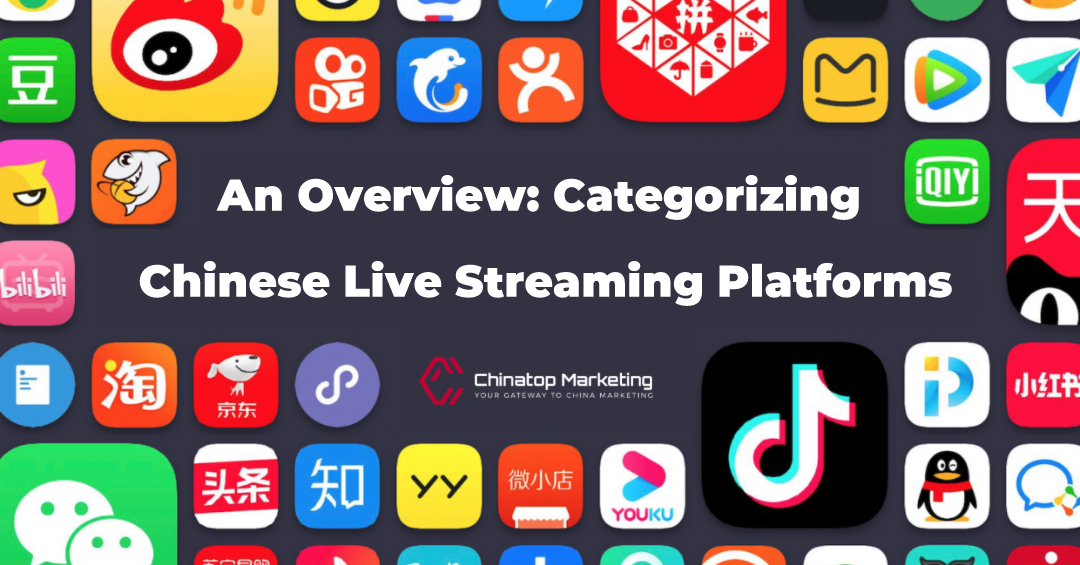
Chinese live-streaming platforms can be classified into several categories based on their primary focus and target audience.
Generalist Platforms: These platforms cater to a wide range of content, covering various genres such as entertainment, lifestyle, gaming, and more. Examples of popular generalist live-streaming platforms in China include Douyu, Huya, and Bilibili. These platforms attract a diverse user base and offer many live-streaming channels to cater to different interests.
E-commerce Platforms: With the rise of live-streaming e-commerce, several platforms have emerged as dedicated hubs for brands and influencers to showcase and sell products in real-time. Taobao Live, operated by Alibaba's Taobao marketplace, is one of China's leading e-commerce live-streaming platforms. Other notable platforms include JD Live (used by JD.com) and Kuaishou, which has expanded into e-commerce live streaming alongside its original short video format.
Social Media Platforms: Chinese social media platforms have integrated live-streaming features to engage users and provide real-time content. For instance, Weibo, often called the "Twitter of China," allows users to live stream and interact with their followers. WeChat, China's dominant messaging app, also supports live streaming within its ecosystem, enabling users to broadcast and share content with their contacts.
Talent Agencies and Entertainment Platforms: These platforms focus on live streaming for talent discovery and entertainment. They provide opportunities for aspiring performers to showcase their skills and gain a following. Examples include YY Live, which offers a range of content from music performances to talk shows, and Kwai (also known as Kuaishou), which has gained popularity for its emphasis on short videos and hosts live streaming channels for entertainment.
Niche Platforms: Certain live streaming platforms in China cater to specific niches or interest groups. For instance, Zhanqi TV focuses primarily on live streaming for gaming enthusiasts. At the same time, Inke specializes in social live streaming, connecting users with their followers and encouraging interaction.
These classifications provide an overview of the different types of Chinese live-streaming platforms. However, it's important to note that the live-streaming landscape in China is dynamic and continuously evolving, with platforms often incorporating features and expanding into new areas to stay competitive in the market.
Popular Live Streaming Platforms in China
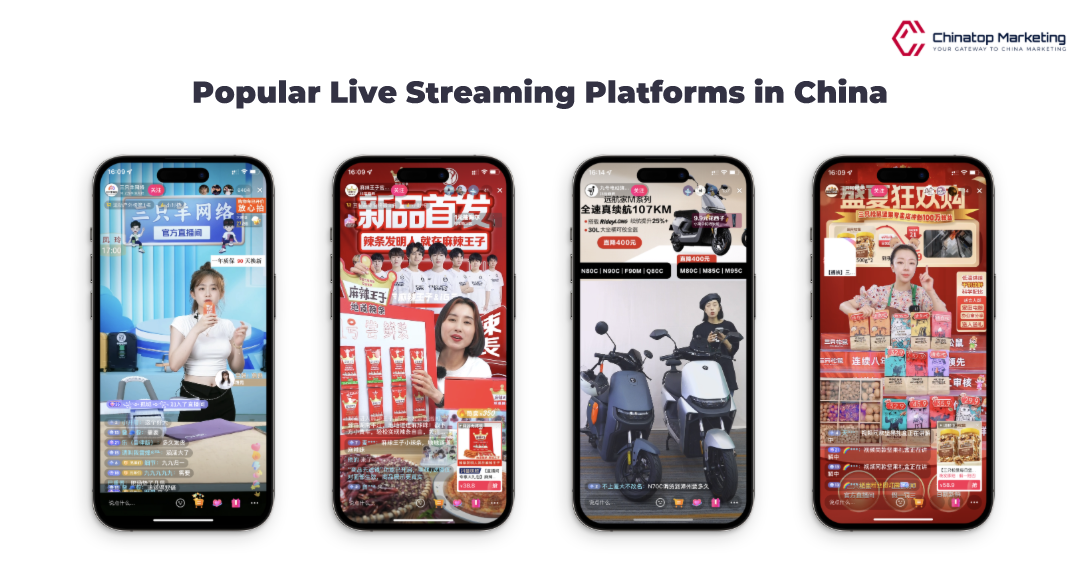
Douyu: Douyu is one of the leading live-streaming platforms in China, covering a variety of content, including games, entertainment, and lifestyle. It has a large user base and provides interactive features for viewers to interact with streamers.
Huya: Huya is another well-known live-streaming platform in China that mainly focuses on gaming content. It offers live streaming of popular games and esports tournaments and showcases gaming skills.
Taobao Live: Taobao Live is a live broadcast platform integrated with Alibaba's e-commerce marketplace Taobao. It enables brands, influencers, and sellers to showcase and sell products in real-time, creating an immersive shopping experience for viewers.
Kuaishou: Kuaishou was originally known for its short video content but later expanded into live broadcasts, attracting many users. It offers a variety of content types, including entertainment, gaming, beauty, and more.
Bilibili: Bilibili is a live-streaming platform popular among young Chinese and animation lovers. It focuses on various content, including animation, gaming, and subculture-related topics. Bilibili also has a strong community function that encourages user interaction and discussion.
YY Live: YY Live is known for emphasizing talent discovery and entertainment. It hosts a variety of live channels, including music performances, talk shows, and other forms of entertainment.
Inke: Inke is a social live-streaming platform that allows users to connect with fans and share live content. It emphasizes interaction, allowing viewers to interact with streamers through virtual gifts and live chat.
Weibo live broadcast: Weibo is a popular microblogging platform in China that integrates a live broadcast function. Weibo Live lets users broadcast live content and interact with fans through comments and likes.
Zhanqi TV: Zhanqi TV is a live broadcast platform specially created for game lovers. It hosts gaming content and live broadcasts of e-sports events and provides a platform for gamers to interact with viewers.
TikTok (Douyin): While primarily known for short videos, TikTok (Douyin in China) also includes live streaming. Users can go live and interact with their followers, showcasing their talents and creative content.
If you are careful, you will also find that China has many live broadcast platforms and involves all walks of life. Each forum has its orientation. The ultimate goal is to continuously increase the platform's traffic, increase the anchor's income, and increase the brand. The influence allows more anchors to settle in.
How popular is live streaming in China?
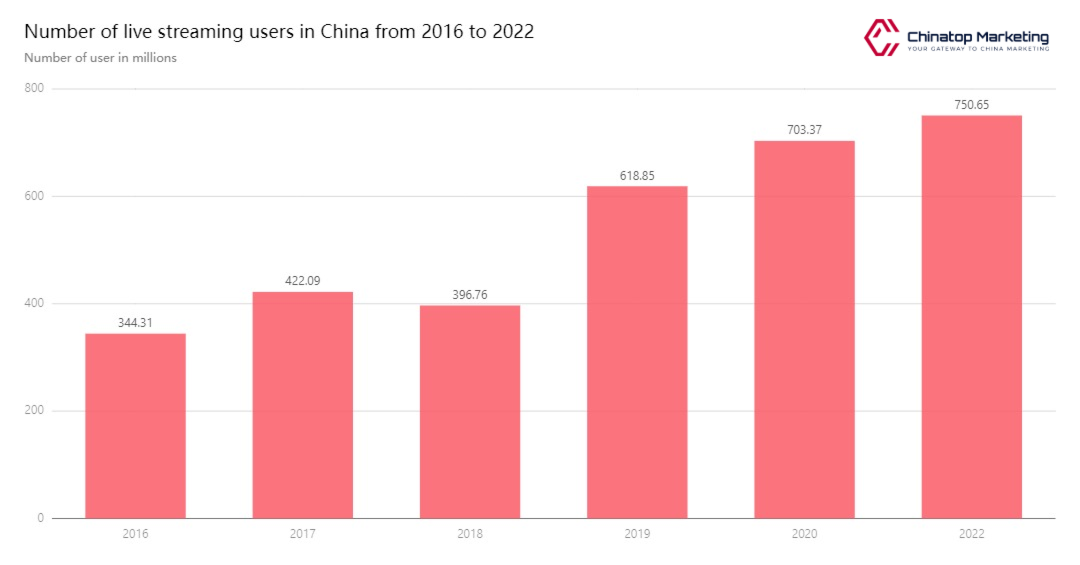
Live streaming is hugely popular in China and has become ingrained in the country's digital culture. It has changed how people consume content, interact with influencers and celebrities, and engage in e-commerce activities.
Huge user base: China has a large population and a high Internet penetration rate, which provides fertile soil for live broadcasting. By 2021, the number of Chinese netizens will exceed 989 million, creating a large potential audience for live broadcast platforms.
Growing number of viewers: The number of live viewers in China has grown steadily. According to data from the China Internet Network Information Center (CNNIC), the number of live broadcast viewers reached 504 million in 2019, an increase of more than 10% over the previous year.
Synergy between e-commerce and live streaming: Live streaming has been deeply integrated with e-commerce in China. Platforms such as Taobao Live and JD Live leverage the power of live streaming to drive sales and create an interactive shopping experience. Chinese consumers have embraced the concept of "live-streaming shopping," and live-streaming channels have brought considerable e-commerce sales.
Celebrity influence: Chinese celebrities, influencers, and key opinion leaders (KOLs) have played an important role in driving the popularity of live streaming. Many celebrities use their fame and personal brand to engage with fans, promote products and monetize their live streams. Their influence has contributed to the widespread adoption of live streaming among Chinese consumers.
The phenomenon of live broadcasting in rural areas: Live broadcasting is also very popular in rural China because it shows life in the countryside. People from rural areas share their daily lives, farming practices, and unique experiences through live streaming. This form of content captures the attention of city dwellers fascinated by the authenticity and cultural richness depicted in these streams.
Mobile-first: China's mobile-first culture has played a vital role in the popularity of live streaming. Mobile devices have become the primary medium for accessing live streaming platforms, allowing users to listen to and interact with content anytime, anywhere.
Interactive participation experience: The live broadcast provides users an interactive and real-time experience. Viewers can interact with the anchor through functions such as comments and virtual gifts, creating a sense of participation and connection.
Live streaming has become an integral part of people's daily life in China as it seamlessly integrates into every moment of people's lives. It is common for people to watch live broadcasts while enjoying their meals, creating a dynamic combination of entertainment and food. Whether a quick bite or a leisurely dining experience, live streaming provides an engaging backdrop to enhance the culinary journey, immersing viewers in interesting content and interacting with their favorite hosts.
Marketing Strategy with Live Broadcasting: Key Steps and Considerations

Understand platform rules: Before engaging in live broadcasting, you must familiarize yourself with the rules and guidelines of the platform you intend to use. By understanding these rules, you can ensure compliance, avoid potential issues, and maximize the platform's features.
Collaborate with Chinese anchors: To overcome language barriers and connect effectively with the Chinese audience, consider collaborating with local Chinese anchors or influencers. They can help bridge the communication gap and ensure a smoother interaction with the viewers, enhancing the overall experience.
Promote products strategically: When promoting your products or services through live broadcasts, aligning with the platform's policies and regulations is important. Understand the guidelines regarding product promotion and ensure that your content complies with the specific rules. By doing so, you can promote your offerings effectively within the boundaries set by the platform.
Analyze post-broadcast data: After the live broadcast, analyze the data and insights gathered during the session. This analysis provides valuable feedback on viewer engagement, audience demographics, and product performance. Utilize this data to evaluate the success of your live broadcasts, identify areas for improvement, and refine your marketing strategy accordingly.
In summary, by understanding platform rules, collaborating with Chinese anchors, promoting products strategically, and analyzing post-broadcast data, you can optimize your marketing plan and achieve better results through live broadcasting in China.
Live broadcasting has emerged as a powerful marketing tool in China, offering unparalleled opportunities for brands to engage with their target audience in real time. Partnering with a seasoned China marketing agency is essential to ensure success in this rapidly evolving landscape.
If you are seeking to elevate your marketing efforts through live broadcasting in China

Our team of experts understands the nuances of Chinese consumer behavior and the ever-evolving trends in live streaming. By collaborating with us, you can access comprehensive market insights and tailored strategies that align with your brand objectives. We will guide you through the process, from understanding the rules and regulations of different platforms to identifying suitable Chinese anchors for collaboration and optimizing product promotion strategies within the platform's guidelines.
With our assistance, you can unlock the full potential of live broadcasting in China, leveraging its massive viewership and interactive nature to captivate your target audience. Our experienced team will also provide valuable post-broadcast analysis, enabling you to measure the effectiveness of your campaigns and make data-driven decisions for future endeavors.
Contact us today and let us help you devise a tailored promotion plan, harnessing the power of live streaming to propel your brand to new heights in China.