Understanding the Power of Xiaohongshu for Your China Marketing Strategy
June 13, 2023

May 04, 2023
What is 996?
"996" refers to a work schedule that has become popular in some technology companies in China. It stands for working from 9 a.m. to 9 p.m., six days a week, which amounts to working 72 hours a week. The term gained widespread attention in 2019 when some employees in China's tech industry began speaking out against the practice, saying it was leading to burnout and a poor work-life balance. While some proponents of the 996 schedule argue that companies must remain competitive, others argue that it is exploitative and harmful to workers' health and well-being.
The term was first coined by tech entrepreneur Jack Ma, founder of Alibaba, who famously said that people should work 996 for several years to be successful.
The 996 schedules have become popular in some Chinese tech companies, particularly startups, where long hours and intense work are necessary for success.
Critics of the 996 schedule argue it is exploitative and harms workers' health and well-being. They point out that working such long hours leaves little time for rest, exercise, or social activities and can lead to burnout and other health problems.
Proponents of the 996 schedule argue that companies must remain competitive and that employees who work these hours are more productive and more likely to succeed.
The Chinese government has recently cracked down on the 996 schedules, issuing guidelines prohibiting companies from forcing employees to work overtime without pay and requiring companies to provide a safe and healthy working environment.
Some companies have also begun to offer alternative work schedules, such as "955" (working from 9 a.m. to 5 p.m., five days a week) or "half-day Saturdays" (working from 9 a.m. to 12 p.m. on Saturdays).
Overall, the 996 work schedule has sparked much debate and controversy in China and beyond, with many people questioning whether it is a sustainable and healthy way to work.

It isn't easy to make a blanket statement about whether all Chinese people like the 996 work schedule, as opinions on the topic, are likely to vary depending on factors such as age, industry, and personal experience.
That being said, there has been a lot of public debate and discussion about the 996 schedules in China, with many people expressing concerns about the toll it takes on workers' health and well-being. Some tech workers in China have organized protests and petitions calling for better working conditions and a more reasonable work schedule.
In general, younger workers in China are more likely to prioritize work-life balance and reject the idea that working long hours is necessary for success. However, some still believe that the 996 schedule is essential for companies to remain competitive and are willing to work long hours to advance their careers.
Overall, opinions on the 996 schedule will likely be nuanced and varied, reflecting the complex realities of the modern Chinese workplace.

996 is a term used to describe a work schedule commonly practised in China's tech industry, where employees work from 9 am to 9 pm, six days a week. The term has gained widespread attention and controversy due to its demanding nature and potential negative effects on employee well-being.
Several factors contribute to the prevalence of 996 in China. One of the main reasons is the intense competition in the tech industry, where companies strive to stay ahead of their rivals by developing and releasing new products quickly. This often leads to tight deadlines and long work hours.
Another factor is Chinese society's cultural expectation of hard work and dedication. Working long hours is often seen as a way to demonstrate commitment to one's job and company. Additionally, there needs to be stronger labour laws and regulations in China, which makes it easier for companies to require their employees to work long hours.

Intense competition in the tech industry: China's tech industry is highly competitive, with numerous companies vying for market share and dominance. Companies often set aggressive deadlines to stay ahead of the competition and expect their employees to work long hours to meet them. This pressure to succeed can make it difficult for employees to maintain a healthy work-life balance.
Cultural expectations: In China, there is a cultural expectation of hard work and dedication to one's job. Working long hours is often seen as a way to demonstrate commitment to the company and achieve success. Additionally, there is a belief that working hard now will lead to greater rewards and opportunities in the future.
Lack of labor laws and regulations: China has relatively weak labor laws and regulations compared to other countries. This means companies have more leeway to require their employees to work long hours without legal consequences. While some labour protections are in place, they are not always enforced.
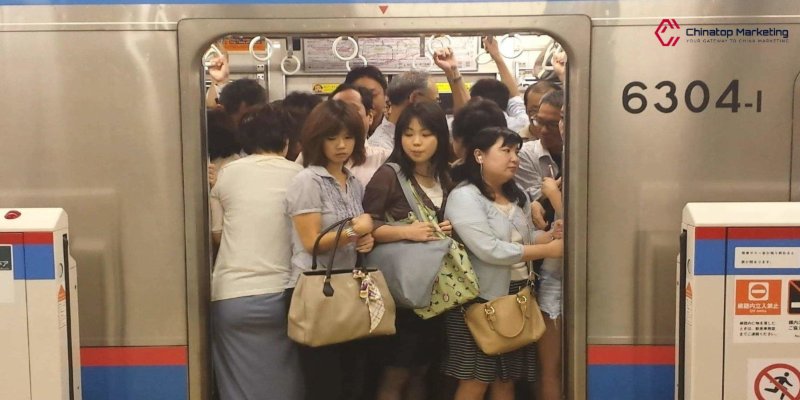
Commute times: In many Chinese cities, long commute times can make it difficult for employees to balance work and personal responsibilities. A long commute and a demanding work schedule can lead to long days and little time for leisure activities.
Management style: Some experts argue that the prevalence of 996 in China is due to the management style of many tech companies. In some cases, managers may use long work hours to exert control over their employees or demonstrate their work ethic. They can create a culture where employees feel pressured to work long hours to impress their bosses or avoid being seen as "lazy."

996 still exists in Chinese companies, particularly in the tech industry. Despite public backlash and government attempts to regulate working hours, many companies continue to practice this demanding work schedule.
Some companies have even expanded their work hours beyond 996. For example, there is a trend called "007" (meaning 0 am to 7 am), where employees are expected to work overnight in addition to their regular work hours. This extreme work culture has raised concerns about employees' physical and mental health, as well as the impact on their productivity and creativity.
However, there has also been some pushback against 996 in recent years. Some employees have spoken out against the demanding work schedule, and public protests and petitions have called for better working conditions. Some companies have also experimented with alternative work schedules, such as a 4-day work week or flexible hours, to improve work-life balance for their employees.
Overall, the issue of long working hours in China remains a complex and ongoing challenge, with cultural and economic factors contributing to its persistence.