Understanding the Power of Xiaohongshu for Your China Marketing Strategy
June 13, 2023

May 05, 2023

Studying abroad has always been a highly discussed topic. With globalization and economic development, more and more people leave their home countries to pursue better educational and career opportunities. For many, studying abroad is one of the most important decisions in life, as well as a journey full of challenges and opportunities.
Studying abroad provides broader perspectives and academic resources and increases opportunities for cross-cultural communication, language skills, and interpersonal communication abilities. However, studying abroad also requires facing various challenges, such as cultural differences, language barriers, adapting to new environments, and social isolation.
Before deciding to study abroad, there are many factors to consider, such as the educational system, study visas and fees, accommodation and living costs in the target country. Choosing a suitable study abroad consultant or agency can help you better plan and prepare for all aspects of studying abroad and provide you with practical information and advice on the target country and city.
The Education System in China: Overview, Reforms, and Emphasis on Academic Achievement
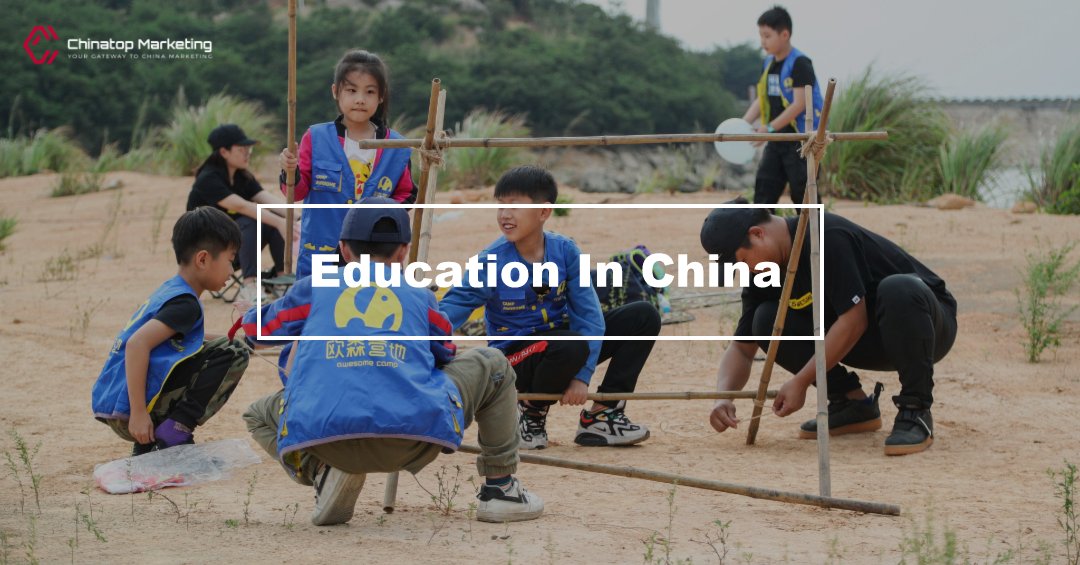
Education has always been highly valued in Chinese culture, and today the country has one of the largest education systems in the world. The Ministry of Education oversees China's education system, responsible for setting education policy, curriculum standards, and teacher training programs.
Education is compulsory in China from ages 6 to 15, and there are public and private schools at all levels. The education system is divided into several stages, including:
Kindergarten: Children can attend kindergarten from 3, although it is not mandatory.
Primary school: Primary education is mandatory and lasts six years, from ages 6 to 12.
Junior high school: Junior high school lasts for three years and is attended by students aged 12 to 15.
Senior high school: Senior high school is three years long and is attended by students aged 15 to 18. In China, the gaokao, or national college entrance examination, is taken at the end of senior high school and determines a student's eligibility for college admission.
Higher education: China has a large number of universities and colleges, both public and private, that offer undergraduate and graduate programs in a variety of fields.
The Chinese education system strongly emphasises academic achievement, and students are expected to work hard and excel in their studies. As a result, there is often intense competition for admission to top schools and universities.
In recent years, the Chinese government has implemented several reforms to improve education quality and increase access to education for all. These reforms have included efforts to improve teacher training, increase funding for education, and expand access to education in rural areas.
Impact of COVID-19 on Education in China: Shift to Online Learning, Hybrid Approach, and Economic Implications

The COVID-19 pandemic has had significant implications for education in China, as it has disrupted the normal operation of schools and universities across the country. Here are some of the implications:
Online Learning: One of the most significant implications of the COVID-19 pandemic for education in China has been the shift towards online learning. Schools and universities have had to adopt online learning platforms to continue providing education to students while minimizing the risk of virus transmission.
Delayed School Reopening: The pandemic led to the closure of schools and universities in China, which disrupted the academic calendar. School reopening dates have been delayed, and students have had to adjust to the new academic calendar.
Hybrid Learning: As schools and universities reopened, many have adopted a hybrid learning approach, which combines in-person and online learning. This approach helps to reduce the risk of virus transmission while allowing students to attend school and receive face-to-face instruction.
Health and Safety Measures: To ensure the safety of students and staff, schools and universities in China have had to implement strict health and safety measures, such as temperature checks, mask-wearing, social distancing, and frequent hand washing.
Increased Technology Use: The pandemic has accelerated the adoption of technology in education in China. Schools and universities have had to adopt online learning platforms and digital tools to support remote learning and hybrid learning.
Economic Impacts: The COVID-19 pandemic has also had significant economic impacts, which have affected the education sector in China. Many families have faced financial difficulties, making it difficult for them to afford education expenses. This has led to an increase in demand for financial aid and scholarships.
Studying Abroad for Chinese Students: Benefits and Drawbacks
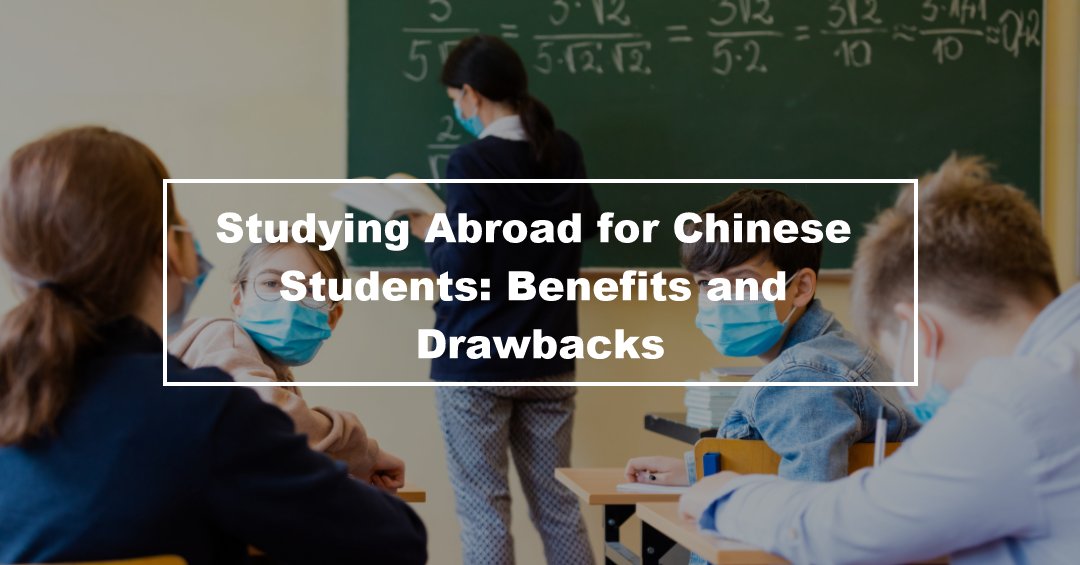
Studying abroad can be a great opportunity for Chinese students to gain new experiences, improve their language skills, and broaden their horizons. However, whether looking abroad is a "good thing" depends on various factors, such as the student's circumstances and goals.
Here are some potential benefits and drawbacks of studying abroad for Chinese students:
Benefits:
Exposure to different cultures: Studying abroad can expose Chinese students to new cultures, ideas, and ways of thinking, which can help them develop a more global perspective.
Language acquisition: Studying abroad in an English-speaking country can provide Chinese students with an immersive language experience that can help them improve their English skills.
Career prospects: International experience can be valuable when seeking a globalized job market.
Personal growth: Studying abroad can help Chinese students develop independence, self-confidence, and adaptability.
Drawbacks:
Cost: Studying abroad can be expensive. Chinese students may need to take out loans or rely on scholarships to cover the expenses.
Homesickness: Being far from home can be challenging for some Chinese students, who may struggle with loneliness and homesickness.
Cultural differences: Cultural differences can be a source of stress and confusion for Chinese students studying abroad, and they may need to adjust their expectations and behaviour to fit in with their new environment.
Academic challenges: Studying in a foreign language and educational system can be difficult, and Chinese students may need to work harder to keep up with coursework.
Transformations in Education: Key Changes in China's School Standards and Expectations
China has undergone significant changes in school standards and expectations over the past few decades. Here are some of the key differences:
Expansion of education: China has made significant efforts to expand access to education, particularly in rural areas. The government has invested heavily in building schools and improving the quality of education.
Curriculum reform: The Chinese government has implemented a series of curriculum reforms over the past few decades, focusing on promoting critical thinking, creativity, and innovation. This has been reflected in changes to the national college entrance examination, which now places less emphasis on rote memorization and more on analytical and problem-solving skills.
Increased competition: As the Chinese economy has grown and become more competitive, the pressure on students to excel academically has increased. This has led to a highly competitive educational environment, with many students attending after-school tutoring and enrichment programs to gain an edge.
Technological innovation: China has embraced technological innovation in education, with many schools now using digital resources and online learning platforms. This has helped improve access to education in remote areas and made it easier for students to access educational resources.
Internationalization: China has become increasingly focused on internationalization in education, with more Chinese students studying abroad and more international students studying in China. This has led to a greater exchange of ideas and knowledge and has helped improve the overall education quality in China.
Foreign Schools in China: Opportunities and Challenges
China has opened up to the world recently and welcomed foreign schools to establish campuses there. This has created more opportunities for international education in China. Still, it is important to note that the Chinese education system is highly regulated, and foreign schools must meet strict requirements to operate in China.
Foreign schools in China operate under the Chinese Ministry of Education guidelines. They must meet the same standards as Chinese schools. This includes following the national curriculum, using Chinese textbooks, and ensuring that teachers meet the same qualifications as Chinese teachers.
While foreign schools in China provide opportunities for international education, they are not without challenges. One of the biggest challenges is the language barrier, as most Chinese schools and universities teach primarily in Chinese. Additionally, foreign schools must navigate cultural differences and adhere to strict regulations.
While the Chinese education system does offer some opportunities for foreign schools, it is important to thoroughly research and understand the regulations and challenges before pursuing education opportunities in China.
Rising Trend of Chinese Students Studying Abroad

China is currently the country with the largest number of students studying abroad. According to data from the Ministry of Education of China, in 2020, 1.66 million Chinese students were studying abroad. The United States, Canada, and Australia are the most popular destinations for Chinese students. This trend has been increasing in recent years, with the number of Chinese students studying abroad growing rapidly.
The trend of Chinese students studying abroad has been growing for several decades. This trend is multifaceted, but some of the most common reasons include seeking better educational opportunities, improving language skills, gaining international exposure, and increasing job opportunities upon graduation.
Chinese students often study in the United States, Canada, Australia, and the United Kingdom. These countries have top-ranked universities and offer a wide range of courses and programs. Additionally, these countries are often seen as culturally and economically attractive to Chinese students.
China's government also supports studying abroad and has implemented policies to encourage more students to do so. For example, the Chinese government provides scholarships and financial assistance to students who wish to study abroad. Moreover, the Chinese government has implemented programs to encourage students who study abroad to return to China after completing their studies and contribute to the country's development.
In recent years, the COVID-19 pandemic has affected the number of Chinese students studying abroad. However, as the pandemic situation improves, it is expected that the number of Chinese students studying abroad will continue to grow in the coming years.
Expert Education Industry Promotion Services for Attracting Students to Study Abroad in China

To sum up, Chinatop-as a marketing company in China can assist overseas schools in expanding their reach in the Chinese market. We offer tailored services such as market research, digital marketing, and social media management. Partnering with us means tapping into the potential of the Chinese market and gaining a competitive edge. Contact us today to learn more about our services and how we can help your school succeed in China.