Understanding the Power of Xiaohongshu for Your China Marketing Strategy
June 13, 2023

May 15, 2023
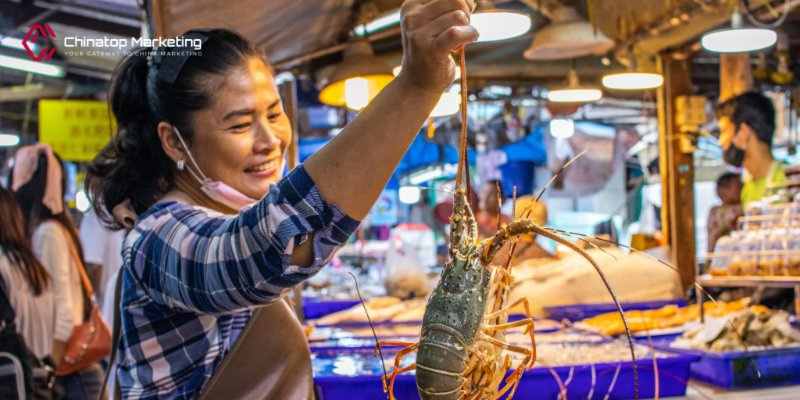
In recent years, China has seen a significant increase in the demand for foreign fresh produce. This trend can be attributed to several factors, including increasing consumer demand for high-quality and diverse fresh produce, the growing middle class and their willingness to pay more for premium products.
China's domestic agriculture industry faces several challenges, such as limited arable land, water scarcity, and low agricultural productivity due to poor farming practices. These challenges have resulted in a gap between domestic supply and demand, leading to a surge in fresh produce imports from other countries.
Foreign fresh produce is typically imported through seaports, airports, and land borders. The most popular fresh produce imported into China includes fruits like bananas, apples, oranges, and grapes and vegetables like onions, garlic, and potatoes.
China's government has taken steps to improve the quality and safety of imported fresh produce. For instance, the government has introduced new regulations and requirements for food safety, including labelling, inspection, and quarantine procedures. Additionally, the government has encouraged the development of direct imports, which allow Chinese companies to purchase fresh produce directly from overseas suppliers.
The development of foreign fresh produce in China has also led to the emergence of specialized import markets, which cater to the needs of consumers looking for premium quality products. These markets offer a wide range of fresh produce from different countries, including Japan, the United States, Australia, and New Zealand.
In summary, China's demand for foreign fresh produce has grown significantly in recent years, driven by increasing consumer demand for high-quality and diverse products. The Chinese government has taken steps to improve the quality and safety of imported fresh produce, and the emergence of specialized import markets has helped to meet the needs of consumers looking for premium quality products.
What are the Most Popular Types of Fresh Food in China?
China is a country with a diverse cuisine and a rich agricultural tradition. As such, many types of fresh produce are popular in China, and the popularity of specific items can vary depending on the region and season. However, some of the most popular types of fresh produce in China include:
Leafy greens: Chinese cabbage, bok choy, spinach, and lettuce are all popular leafy greens in China.
Root vegetables: Radish, turnip, carrot, and potato are common root vegetables used in Chinese cuisine.
Citrus fruits: Oranges, tangerines, and pomelos are popular in China.
Berries: Strawberries, blueberries, raspberries, and blackberries are becoming increasingly popular in China.
Tropical fruits: Mangoes, pineapples, and bananas are popular tropical fruits in China.
Melons: Watermelon, cantaloupe, and honeydew are popular melons in China.
Apples: Apples are widely consumed in China, with many varieties grown nationwide.
Tomatoes: Tomatoes are used in a variety of dishes in China and are popular both cooked and raw.
Peppers: Bell, chilli, and Sichuan peppers are commonly used in Chinese cuisine.
Mushrooms: Shiitake, oyster, and straw mushrooms are popular in China and used in various dishes.
Seafood is a major part of Chinese cuisine, and Chinese people have a long history of consuming a wide variety of seafood, including fish, shellfish, and seaweed. In recent years, there has been a growing demand for imported seafood in China, particularly from countries like Norway, Canada, and Australia.
One reason for this trend is that Chinese consumers perceive imported seafood as higher quality and safer than domestically produced seafood. This is partly due to concerns about pollution and food safety in China, as well as the reputation of some foreign countries for producing high-quality seafood.
As for meat, Chinese people have traditionally consumed a wide variety of meats, including pork, beef, lamb, and poultry. However, there has been growing interest in foreign beef, particularly from countries like the United States, Australia, and New Zealand.
One reason for this trend is that Chinese consumers view imported meat as being of higher quality than domestically produced meat and are willing to pay a premium for it. Imported meat is often seen as a status symbol and is frequently served at high-end restaurants and hotels.
Overall, Chinese people have a growing interest in foreign seafood and meat.
While it's true that only some Chinese consumers can afford or have access to imported seafood and meat, it's worth noting that the situation could be more straightforward. China is a large country with a diverse population, and income levels and consumption patterns can vary widely depending on factors such as geographic location, age, and occupation.
Some Chinese consumers are willing and able to pay a premium for imported seafood and meat, which they perceive as higher quality and safer than domestically produced products. This is particularly true among middle- and upper-class consumers in urban areas, who have higher incomes and more exposure to international cuisines and food trends.
However, many Chinese consumers continue to rely on domestically produced seafood and meat or less expensive imported varieties. This is especially true among lower-income consumers and those living in rural areas, where the cost of imported products can be prohibitive.
While there is a growing interest in foreign seafood and meat in China, the consumption of these products remains relatively limited compared to other foods, and access to imported products can be limited by factors such as cost and availability.
Which Platforms Are Popular for Selling These Products?

Imported fresh food is sold on various e-commerce platforms in China, and some of the popular platforms include:
Tmall: Tmall is a popular online shopping platform owned by Alibaba Group. It has a dedicated section for imported fresh food where customers can find a wide range of products from different countries.
JD.com: JD.com is another popular e-commerce platform that sells imported fresh food. It has a dedicated section for imported food and beverages, where customers can find products from different countries.
Alibaba: Alibaba is a global e-commerce platform that operates in China. It has a dedicated section for imported fresh food, where customers can find a wide range of products from different countries.
Suning: Suning is a retail company that operates both physical stores and online platforms. It has a dedicated section for imported fresh food, where customers can find various products from different countries.
Dingdong Maicai: Dingdong Maicai is a popular online grocery platform in China that specializes in delivering fresh produce and groceries to customers' homes. It also sells imported fresh food from different countries.
By the way,live-streaming e-commerce platforms in China sell imported food and meat products. These platforms are particularly popular for showcasing and selling high-quality imported fresh food products to consumers in China.
In recent years, the Chinese government has loosened restrictions on importing certain types of meat products, such as beef and pork, which has increased the availability of imported meat products in the Chinese market. Live-streaming e-commerce platforms have capitalized on this trend by allowing merchants and influencers to showcase and sell imported meat products to consumers.
However, it's worth noting that imported meat products are subject to strict regulations and inspections by the Chinese government to ensure food safety and quality. Not all imported meat products are eligible for sale in China. Merchants and influencers must comply with the relevant regulations when selling these products on live-streaming e-commerce platforms.
Always sales on this platform:
Douyin: Douyin, or TikTok, is a popular short video and live-streaming platform in China. Many food and beverage merchants and influencers use Douyin to showcase and sell their products, including imported fresh food and meat. Users can search for specific products or browse through food-related hashtags to find relevant content.
Kuaishou: Kuaishou is another popular short video and live-streaming e-commerce platform in China. It has a dedicated section for food and beverage products where merchants can showcase and sell imported fresh food and meat products to consumers. Kuaishou also offers a feature called "Kuaishou Buy," which allows users to purchase products directly within the app.
Taobao Live: is an e-commerce platform owned by Alibaba Group that allows merchants and influencers to live-stream their products and sell them to consumers. The platform has a dedicated section for imported food and beverage products where customers can find various imported fresh food and meat products from different countries.
JD Live: JD Live is the live-streaming platform of JD.com, a major e-commerce platform in China. It allows merchants and influencers to showcase and sell their products, including imported fresh food and meat products, to consumers. JD Live also offers a feature called "JD Buy Global," which allows users to purchase imported products directly within the app.
Xiaohongshu: Xiaohongshu is a social commerce platform in China that allows users to share product reviews and purchase products directly within the app. It also has a food and beverage section where merchants can sell consumers imported fresh food and meat products.
On these live-streaming e-commerce platforms, merchants and influencers typically showcase imported food and meat products and highlight their unique features and quality. They may also provide cooking demonstrations and answer questions from viewers. Customers can interact with the sellers in real-time and ask questions about the products before purchasing.
With the development of technology, the number of Chinese people buying goods online is increasing. China's e-commerce market is growing rapidly, especially during the new crown epidemic in 2020, and the demand for online shopping has been further boosted.
According to data released by the China E-commerce Research Center, the scale of online shopping by Chinese netizens reached 11.76 trillion yuan in 2020, an increase of 10.9% year-on-year. At the same time, the scale of China's online shopping users has also exceeded 700 million people, accounting for 71.6% of the country's total Internet users. Among them, young people, women, and urban residents are the main consumer groups of online shopping.
Therefore, the number of Chinese people buying goods online is increasing, inseparable from the rapid development of China's e-commerce market and the transformation of people's shopping styles.
Need help to find the Right Agency in China?
If you are interested in expanding your marketing efforts in China and finding the right agency has been a challenge, we are here to assist you. As marketing experts specializing in the Chinese market, we understand the complexities and unique dynamics of this ever-evolving landscape. Our team is dedicated to providing comprehensive and tailored solutions to help you achieve your marketing goals effectively.
With our extensive knowledge and experience in the Chinese market, we offer a range of services designed to meet your specific needs. Whether you require market research, strategic planning, digital marketing, brand localization, or campaign management, we have the expertise to deliver results.
Our commitment to client satisfaction is unwavering. We prioritize understanding your business objectives, target audience, and market expectations to develop a customized approach that aligns with your goals. By leveraging our deep industry insights, extensive networks, and creative strategies, we can help you navigate the complexities of the Chinese market and maximize your marketing impact.
Don't let the challenges of finding the right agency hinder your success in China. Contact us today, and let our team of dedicated professionals provide you with the satisfactory service and support you need to thrive in the dynamic Chinese market.